
Why Friendships Can Feel Harder with ADHD (and How to Help)
By Maddie Salas, LMHC
Therapist, Hallowell Todaro
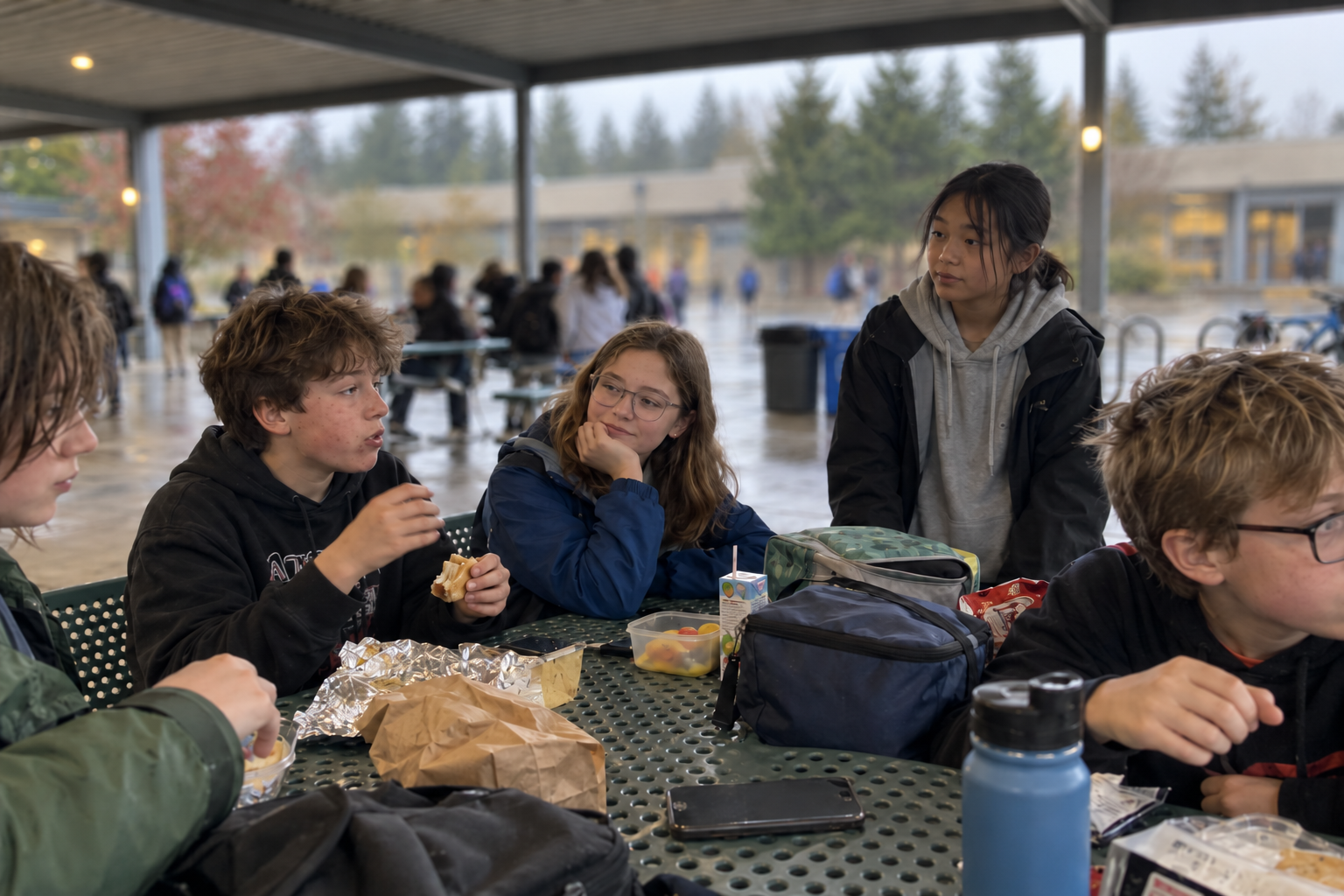
Navigating new friend groups can be tricky for anyone, especially at the beginning of the school year when everyone is getting to know each other and figuring out where they fit. For a kid with ADHD, some of the challenges of making new friends may show up in the moment. You might find yourself blurting out, “I love that show too!” or, “I remember when I…” and launching into a story about yourself before realizing that you interrupted someone. Suddenly, you notice everyone looking at you differently before you’re even fully aware of what just happened.
You might also notice that simply sitting in a group with other kids at lunch can feel really overwhelming. Maybe you get talked over, or you share something and no one responds. For a kid with ADHD, that moment can feel like an immediate rejection from the group, even when that may not have been what the other kids intended.
Building Emotional Regulation
Building emotional regulation skills can help kids navigate these everyday social challenges with more tolerance for uncertainty and discomfort and navigate those inevitable awkward moments. Over time, a moment of being talked over or not acknowledged might feel a little less overwhelming. Instead of immediately thinking, “They don’t like me,” a child may be able to pause, consider what else might be happening, and find a way to stay connected and keep participating with their peers.
Working Memory and Friendships
When we have ADHD, working memory may be a skill we are still developing or working on with a coach or therapist. At school or when spending time with friends, this might look like forgetting that you made plans or forgetting details that a friend shared with you about their life. It can accidentally come across as, “I don’t care” when that’s not what’s happening at all.
The Unwritten Social Rules
You might also struggle with the unwritten social rules that come with school and friendships. Maybe you aren’t sure when it’s the right time to join a conversation, or when a friend might need some space. These are skills that may need extra support and practice. And the truth is, everyone has had moments like these. These experiences are part of how we learn, grow, and develop healthy relationships.
Rejection Sensitive Dysphoria
Many people with ADHD report experiencing Rejection Sensitive Dysphoria, which describes the intense emotional response some people with ADHD experience when they feel rejected, left out or misunderstood. For a middle schooler, not being invited to sit with people at lunch, or not getting a reply to a text can feel really painful and personal. Learning to notice these emotional reactions and slow down to decide what they mean can help kids navigate difficult social moments without deeply impacting their self-esteem or how they view their friendships.
These are just some examples of how having ADHD makes navigating these new experiences a little more tricky!
How Parents Can Help
Parents can support their child by creating space to talk about friendship challenges without immediately jumping in to solve them. Helping your child separate what actually happened from what they think it means can also make difficult social experiences feel more manageable. Most importantly, remind them that social skills are skills: they can be strengthened and learned over time. Creating opportunities to practice things like joining conversations, handling disagreements, navigating rejection, and repairing misunderstandings can help kids feel more confident in their friendships and new social environments.
The Biggest Takeaway
I hope the biggest takeaway from reading this is that there is nothing wrong with having ADHD and struggling with new friendships or new environments. You do not need to become someone new in order to thrive socially. You may simply need some additional support with emotional regulation, repairing misunderstandings, and navigating the unwritten social expectations that come with friendships and growing up.
Friendships take time, practice, and a willingness to learn for everyone. With the right support, kids with ADHD can build meaningful connections while also learning to understand and appreciate themselves along the way.

Maddie Salas, LMHC
About the Author
Maddie enjoys supporting clients of all ages as they navigate life transitions, emotional challenges, relationships, identity, and the many changes that come with different stages of life. She is especially passionate about helping clients build emotional regulation skills, strengthen self-esteem, and develop greater confidence in understanding and navigating their experiences.
Maddie frequently works with neurodivergent clients and uses a strengths-based, developmentally responsive approach. Her work incorporates DBT skill building, narrative therapy, and creative interventions to create a safe and supportive space where clients can express themselves, build coping skills, and learn to regulate emotions in ways that feel natural and meaningful to them. She enjoys working with children, teens, and adults and tailors her approach to each client's unique needs, strengths, and stage of life.
Maddie earned her master’s degree in Clinical Mental Health Counseling from Antioch University and has a background in English Literature from Western Washington University. She has worked within Bellingham’s counseling community through a group practice before joining Hallowell Todaro and values supporting the community she has called home since her undergraduate years.
