
Resources for Understanding and Coping with ADHD Burnout
By Catherine Mutti-Driscoll, MA, PhD, CALC
Director of Executive Function Coaching, Hallowell Todaro

The word “burnout” gets tossed around a lot…but for many of us, a sense of what it really means is unclear. The term was first coined in relation to occupational burnout to describe the physical and mental exhaustion that takes root for a person at work.
More recently, burnout has been associated with autism, describing a larger-scale exhaustion across settings that arises from the chronic stress of navigating social environments that are often not designed for neurodivergent brains. These settings frequently require "masking" (trying to appear neurotypical) and the constant, taxing effort required to manage executive function challenges. It is becoming increasingly recognized that people with ADHD, like people with autism, experience burnout both at work and in other areas of their lives as well (Kemp & Mitchelson, 2024).
Burnout at Work
People with ADHD, like many people with autism, may cultivate coping mechanisms that rely upon working hard to control their work products, maintain good standing, and succeed. Because many people with ADHD are naturally persistent and determined, this strategy often works well—earning us praise as a “hard worker” or a “kind person.” These strategies may help us succeed in school or work, but as a result, we often push ourselves to work even harder to keep that positive feedback coming.
The trouble with this strategy is that it can lead to burnout in certain job conditions where there is a poor fit between our needs, strengths, and interests and the workplace environment. As McCabe (2022) notes, burnout at work often occurs when there are issues with workload, a worker’s sense of control over their work, a lack of reward or recognition, fairness concerns, or a mismatch between the employee's values and what guides operates and interactions work in the environment. If you suspect that the workplace is part of the burnout you might be experiencing, consider reflecting upon some of these questions in your journal or with a trusted therapist to begin to process your work experiences and what next steps might help with your recovery.
How is your workload right for you? Are there times it feels like too much or not enough? Explain.
How, if at all, do you feel a sense of control related to your work? Do you have too much control or not enough? How do you feel about your level of control, and how might you like it to be different?
How, if at all, are you well-rewarded, recognized, and/or compensated at your work? If you would like this to be different, what might work better for you?
How, if at all, does your workplace feel fair? How does your workplace feel unfair? How, if at all, does this impact your work experience?
Does your workplace generally operate in ways that resonate with your values? How would things be better done in another way?
Neurodivergent Burnout
Neurodivergent burnout, similar to autistic burnout but also impacts those with ADHD, is less context-specific than occupational burnout. It is marked by increased sensory and emotional sensitivity, interpersonal stress, increased challenges with executive function and regulation, struggling to pursue or find a job in your interests, being more negative and self-critical, and experiencing exhaustion and health issues.
Burnout can be “acute” after an intense experience (like a family gathering or a work deadline), recurring due to the frequency of the same stressor (like the transition from work to home each day), or chronic and longer-lasting (often less context- or stressor-specific) (Kemp & Mitchelson, 2024).
Neurodivergent Support and Recovery Strategies
If you suspect you are experiencing neurodivergent burnout, steps you can take to support yourself include:
Raising self-awareness
Seeking support
Connecting with resources
Raising Self-Awareness
Since everyone’s neurodivergent burnout is different, you can explore what burnout means for you by taking an online assessment, such as the ADHD Burnout test created by Additude Magazine.
Seeking Support
To cope with burnout, you need to pursue one of two approaches: either reduce what is coming at you by taking things off your plate or expand your coping skills to meet those demands (Neff, 2025). This can be an ongoing, labor-intensive process of habit change or skill-building, so you may seek the support of a coach or therapist while you work towards burnout recovery.
Connect with Resources
There are excellent resources designed specifically for neurodivergent folks to guide you through environmental changes and coping strategies. I recommend these workbooks:
The Autistic Burnout Workbook by Dr. Megan Anna Neff (a neurodivergent psychologist with ADHD & Autism)
The Neurodivergence Skills Workbook for ADHD & Autism (also written by neurodivergent psychologists)
References
Kemp, J, & Mitchelson, M. (2024). The neurodivergence skills workbook for ADHD and autism: A comprehensive guide to managing executive function, emotional regulation, and sensory processing. New Harbinger Publications.
Neff, M. A. (2025). The autistic burnout workbook: A guide to understanding and recovering from autistic burnout. Neurodivergent Insights.
McCabe, J. (2022, November 1). ADHD burnout: Why it happens and how to recover [Video]. YouTube. https://www.youtube.com/watch?v=A8f9pD0p4yU
Villines, Z. (2023, June 29). ADHD burnout: Signs, causes, and how to recover. ADDitude Magazine. https://www.additudemag.com/adhd-burnout-symptoms-test-adults/
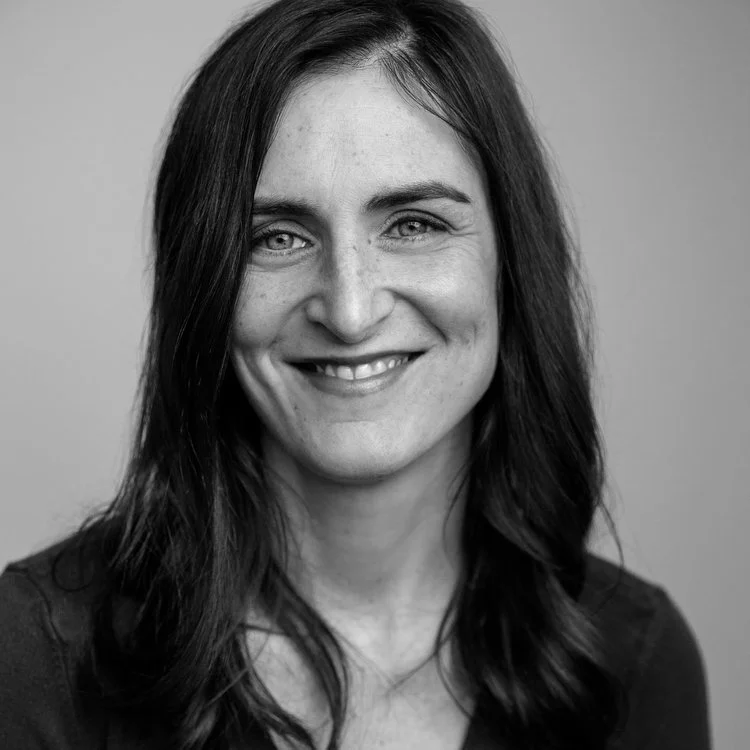
Catherine Mutti-Driscoll
About the Author
Catherine Mutti-Driscoll, MA, PhD, CALC (She/her), is the Director of Executive Function Coaching and an ADHD/Executive Function Coach at the Hallowell ADHD & Behavioral Health Center in Seattle. Catherine is passionate about helping individuals understand their neurodivergent brains, develop self-compassion, and strengthen self-advocacy skills. Catherine’s mission is not only professional but also personal, as she was diagnosed with ADHD, Autism, depression, and dyscalculia in her late 30s/early 40s.
In June 2024, Catherine published The ADHD Workbook for Teen Girls: Understand Your Neurodivergent Brain, Make the Most of Your Strengths, and Build Confidence to Thrive with New Harbinger Press. Catherine is working on a second book, The RSD Workbook for Adults (forthcoming fall 2026). In addition to enjoying writing, Catherine loves to go to school and learn! She holds a PhD in Education, a master's in Cultural Anthropology, and coaching certifications from Impact Parents and the International ADHD Coach Training Center. Catherine is studying to become a Licensed Mental Health Counselor at Walden University (expected 2027).
Catherine supports clients ages 5-80 in executive function challenges, work/life integration, school/college issues, and workplace accommodations. Catherine also has extensive experience working with girls & women, gifted/twice-exceptional individuals, adults in midlife, and clients with co-occurring conditions.
When she’s not coaching, studying, or writing, Catherine enjoys spending time with her neurodivergent family, collecting tarot decks, drinking coffee with friends, taking walks and attending Barre3 classes, dancing to Taylor Swift, and reading contemporary romance books.
