
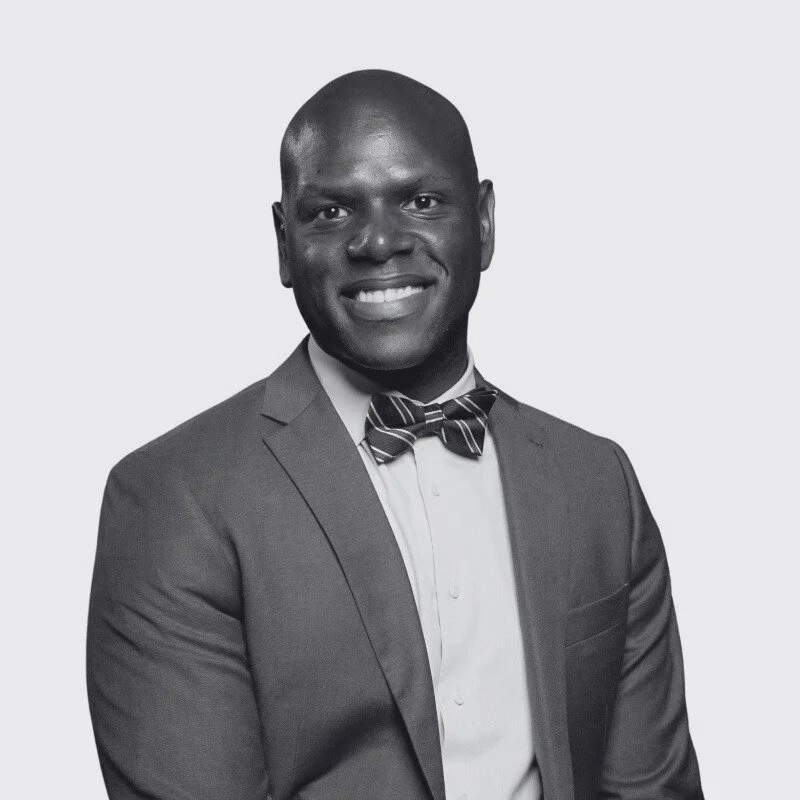
Chris Hooten, MA
Position at the Hallowell Todaro ADHD Center:
ADHD/Executive Function Coach
How long have you been working at Hallowell Todaro ?
I started in August 2025.
Where did you grow up?
I spent my childhood in Speedway, IN, the hometown of the Indy 500.
What are some of your favorite books, movies, and/or TV shows?
Gabor Mate’s “The Myth of Normal” was a hugely impactful book for me. I also really appreciate Remaa Menakem’s “My Grandmother’s Hands” and Staci Haine’s “The Politics of Trauma.” I love all books about neurodivergence, healing, and self-discovery. I’m a huge fan of anime and animation in general. Right now, I’m watching the anime Demon Slayer, DanDaDan, and rewatching Naruto. But I also never get tired of Avatar: The Last Airbender. For live action films, I love Everything, Everywhere, All at Once
What is your favorite sport and/or sports team?
I’m not a big sports fan, but if I were to pick a favorite sport, it would be basketball.
Complete the following sentences:
When I’m not at work, you can find me...
walking. I love to walk, everywhere really. Or I’ll be at the gym, weight lifting, or reading a good book.
When I want to de-stress, I...
meditate either at home in my sensory sanctuary or in nature, usually near a large body of water like a waterfall, river, lake, or ocean.
My favorite time of year is...
autumn. There’s no better time of the year for a nice, comfortable hike. I love that it’s cool, but not cold. I also love everything spooky and Halloween-themed.
My favorite thing to cook is…
oatmeal. I’m basic like that. It’s easy, comforting, and gluten- free.
The best gift I ever received was…
a book about herbal medicine from a friend. I had been thinking about it, and during one of our hangouts, she gifted a book about herbal medicine to me. She had bought it earlier in the day.
If I could travel anywhere in the world, I’d go to...
Ghana. I’ve always wanted to go, and I’ve heard awesome things from friends who have gone.
What led you to pursue a career in helping others?
I love helping other people, especially neurodivergent people, navigate challenges and find solutions that affirm their worth and capacity for growth. I know what it’s like to navigate environments that aren’t affirming or supportive. Helping others is incredibly rewarding.
What education, skills and expertise do you bring to your role?
I hold a master’s of Education and Human Development from George Washington University, with a special emphasis on supporting students from historically underserved communities. I am a certified NeuroMindfulness Coach, accredited by the International Coaching Federation, and I’ve served as an administrator for a school where one in four students were neurodivergent.
I also started an intersectional neurodiversity consultancy, where I help individuals and organizations build neuro- inclusive skills, cultures, and practices. I developed the 4-D Model of Neuro-inclusive Communication, which advances Direct, Deliberate, Descriptive, and Diverse forms of Communication for neurodiverse teams. I authored the city of Seattle IT division’s “Neuro-inclusive Communication in the Workplace Guide.” My other clients have included the Bertschi School, Bastyr University, Washburn University, the American Bar Association Tax Section, and Tacoma Community College.
Who/what inspires you?
I’m inspired by everyone who has unearned disadvantages and continues to work hard to make their dreams a reality. That, to me, is the essence of the human spirit. We continue on, and we’re surprised by the moments of joy and meaning that we experience.
What’s your personal philosophy/approach toward the work you do?
I am a lifelong learner. I commit myself to being what I call the R.O.C.K., which stands for being Relaxed, Open, Confident, and Kind to myself and others. I approach situations with a desire to affirm the core needs of safety, dignity, agency, and belonging. This commitment helps me respond, rather than react, to challenges. It also helps me to self- regulate, interrupt automatic negative thoughts, and stay aware of alternative ways of solving problems.
What are a few small things people can do to increase their happiness?
I’m a big fan of the R.O.C.K. mantra I mentioned earlier. I’ve found that everyone I coach or mention the R.O.C.K. mantra to (being Relaxed, Open, Confident, and Kind) see immediate results. There is so much pressure to do, and I believe we would all be better served by reminding ourselves that we’re allowed to just be.
We provide a range of support for people with ADHD.
